
How to Find Quality Custom Printing Close to Me in Australia
Discover how to find reliable custom printing near you in Australia — tips on products, turnaround times, decoration methods, and getting the best value.

Written by
Ned Murray
Buying Guides & Tips
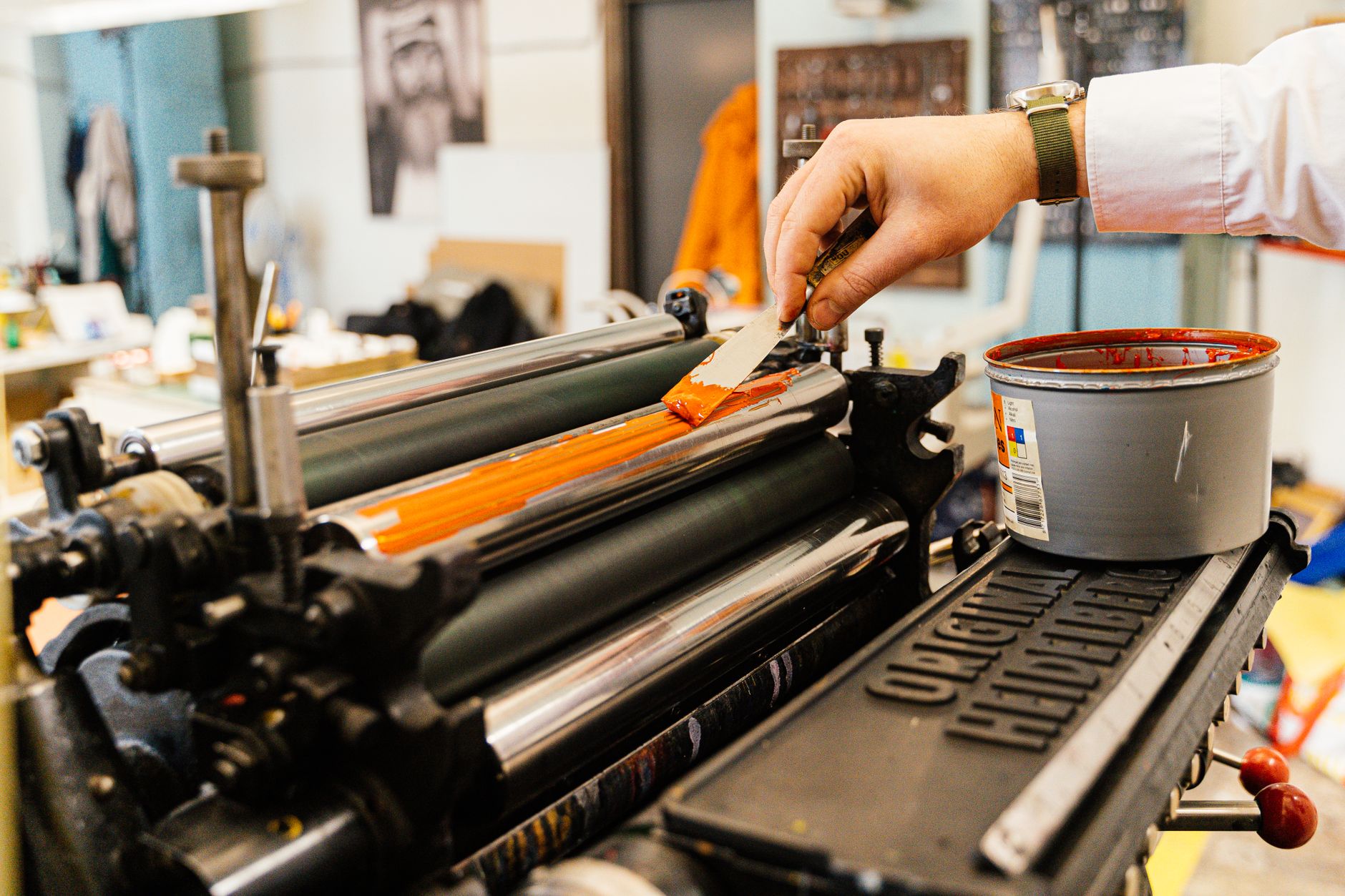
Searching for “printing close to me” is one of the most common starting points for Australian businesses, event organisers, and corporate teams when they need branded merchandise in a hurry. Whether you’re coordinating a product launch in Sydney, outfitting a sales team in Melbourne, or organising a community event on the Gold Coast, the instinct to find a local printer makes complete sense — you want fast turnaround, easy communication, and the reassurance that your order is being handled by someone who understands your needs. But what does “local printing” actually mean in today’s market, and how do you find the right supplier for your specific project? This guide walks you through everything you need to know.
Why “Printing Close to Me” Still Matters in 2026
There’s no denying that the rise of online ordering has changed how branded merchandise is sourced. You can now order custom-printed products from suppliers based anywhere in the country and have them delivered to your door within a few business days. So why do so many people still specifically search for printing close to me?
The answer lies in a few practical realities.
Faster Turnaround for Urgent Orders
When you’re working against the clock — say, a Brisbane conference is two weeks away and you still don’t have branded tote bags sorted — proximity matters. A local supplier can sometimes offer faster production and delivery windows, or at the very least, you can drop in to discuss your requirements face-to-face and avoid the back-and-forth of emails and online quote forms.
Easier Artwork Approvals and Sample Review
One of the biggest pain points in custom merchandise ordering is getting artwork right. Local suppliers often allow you to pop in, review a physical sample, and approve artwork in person before full production begins. This is especially valuable for complex jobs — things like embroidered workwear, large-format screen printing, or multi-colour pad printing on promotional items.
Supporting Local Business
For many organisations in regional areas — think Wollongong, Cairns, Ballarat, or Darwin — finding a nearby supplier isn’t just about convenience. It’s about building a relationship with someone who understands your community and your business culture. If you’re interested in how regional businesses approach branded merchandise, our guide to branded merchandise for the Illawarra region offers some useful regional context.
What Types of Custom Printing Are You Actually Looking For?
Before you start Googling printing services near you, it’s worth being clear on what type of printing or decoration method your project actually requires. “Printing” is a broad term that covers a huge range of techniques and product types. Here’s a breakdown of the most common categories.
Apparel Printing
Custom t-shirts, polo shirts, hoodies, and hi-vis workwear are among the most frequently ordered items. Screen printing is the industry workhorse for large quantities of apparel, producing vibrant, durable results. Embroidery is the preferred method for professional workwear and polos, giving a premium, textured finish.
If you’re after custom-printed shirts for a sporting team or corporate event, take a look at our guide to t-shirts for sports and our breakdown of the top tee brands to understand your options before approaching a local supplier. For corporate polo shirts specifically, our guide to men’s work polo shirts covers what to look for in terms of fabric, fit, and decoration.
Promotional Products and Merchandise
Pens, mugs, water bottles, bags, and tech accessories all fall under the “promotional products” umbrella — and most of these require printing or engraving of some kind. Understanding which decoration method suits which product is key. Laser engraving is ideal for metal or glass products. Pad printing works well on irregular surfaces like pens or stress balls. UV printing is growing in popularity for hard goods — our overview of UV printing technology for custom promotional merchandise explains how this method works and where it excels.
Drinkware
Custom drinkware is one of the most popular corporate gift and event merchandise categories. Whether you need personalised travel mugs, branded water bottles, personalised mugs for wholesale orders, or travelling mugs for a conference gift pack, your local supplier should be familiar with decoration methods like sublimation printing, laser engraving, and pad printing. Each method produces different finishes, so it’s worth asking for a sample before committing to a large order. You can also explore a broader range of Australian water bottle options here.
Bags and Totes
Custom bags — from branded tote bags to eco-conscious produce bags for markets — are staples at events, conferences, and in retail settings. Screen printing and heat transfer are common decoration methods for bags, though some suppliers offer embroidery for premium options.
How to Evaluate a Local Printing Supplier
Not all printing suppliers are created equal. When you’re shortlisting options, here are the key questions to ask before placing an order.
What Are Their Minimum Order Quantities?
MOQs vary dramatically between suppliers and product categories. Some suppliers require a minimum of 50 units for screen-printed apparel; others can fulfil orders of as few as 10 or 25 units using digital printing or heat transfer. If you only need 20 branded polo shirts for a Perth corporate away day, make sure your supplier can actually accommodate that volume.
What’s the Realistic Turnaround Time?
Standard turnaround in Australia is typically five to ten business days after artwork approval. Rush jobs may be possible for an additional fee, but confirm this upfront. Don’t assume that “local” automatically means “faster” — a busy local printer may have longer lead times than an online supplier with efficient workflows.
Do They Offer Pre-Production Samples or Digital Proofs?
For any order of significance, you should always request either a digital proof or a physical pre-production sample. A reputable supplier will provide a digital proof as standard — reviewing this carefully before approving is non-negotiable.
Are They Experienced With Your Product Type?
A supplier that primarily does signage and banners may not be the best fit for embroidered workwear. Similarly, a screen printing specialist may not have the capabilities to handle laser-engraved corporate gifts. Ask specifically about experience with your product category.
Beyond Local: When Online Suppliers Are the Better Choice
It’s worth acknowledging that while local printing has its advantages, there are scenarios where working with an online supplier — even one based interstate — makes more sense.
Large corporate orders with very specific branding requirements often benefit from suppliers who have dedicated account managers, sophisticated colour-matching capabilities (PMS matching), and access to a broader product catalogue. If you’re sourcing unique corporate gifts for an Australian audience, for instance, a specialist supplier may offer products and decoration capabilities that a general local print shop simply can’t match.
The same logic applies when sourcing eco-friendly merchandise — if sustainability is a priority for your organisation, look for suppliers with a demonstrated commitment to sustainable promotional products and certified eco-materials.
Similarly, for niche product categories — custom gym towels, towel hoodies for adults, personalised toiletry bags, vinyl stickers, wine bag coolers, or wine as a corporate gift — you’ll often find a broader selection and better pricing through a national specialist than a local generalist.
Practical Tips for Getting the Best Results
Whether you go local or national, these tips will help your branded merchandise project run smoothly.
- Prepare your artwork in advance. Supply vector files (AI or EPS) wherever possible. This ensures your logo is scalable and will reproduce cleanly at any size.
- Know your brand colours. PMS colour codes will help your supplier match your brand accurately across different products and decoration methods.
- Request a quote that itemises all costs. Setup fees, artwork fees, and freight are often quoted separately from the unit price. Get the full picture before committing.
- Order samples where possible. Even a digital mock-up gives you an idea of how your branding will look, but a physical sample is always better for high-value or large-volume orders.
- Build in buffer time. Even with a local supplier, things can go wrong. Allow at least two weeks before your event or deadline wherever possible.
Conclusion: Finding the Right Printing Partner, Close to Home or Online
Searching for printing close to me is a perfectly reasonable starting point — but the right supplier for your project depends on far more than just geography. Turnaround time, product range, decoration capabilities, MOQs, and the ability to match your brand accurately are all critical factors. Local suppliers offer genuine advantages for urgent jobs, complex approvals, and relationship building. But for specialised products, large-scale orders, or niche merchandise categories, a national specialist may serve you better.
Here are the key takeaways to keep in mind:
- Clarify your product type and decoration method before searching — “printing” covers everything from screen-printed t-shirts to laser-engraved drinkware, and not all suppliers handle all methods.
- Ask the right questions upfront — MOQs, turnaround times, proof processes, and full cost breakdowns will help you compare suppliers accurately.
- Prepare your artwork correctly — vector files and PMS colour codes save time and reduce the risk of errors.
- Don’t let proximity be your only criterion — local is valuable, but capability, quality, and reliability matter more in the long run.
- Plan ahead wherever possible — two weeks of lead time gives you room to handle any issues without the stress of a last-minute rush.
Finding the right printing partner — whether they’re down the road or on the other side of the country — is about finding someone who can deliver exactly what your brand needs, on time and on budget.