
The Complete Guide to Custom Workwear for Australian Businesses in 2026
Everything Australian businesses need to know about ordering custom workwear — from decoration methods to budgeting, MOQs, and product selection.

Written by
Rory Singh
Safety & Workwear
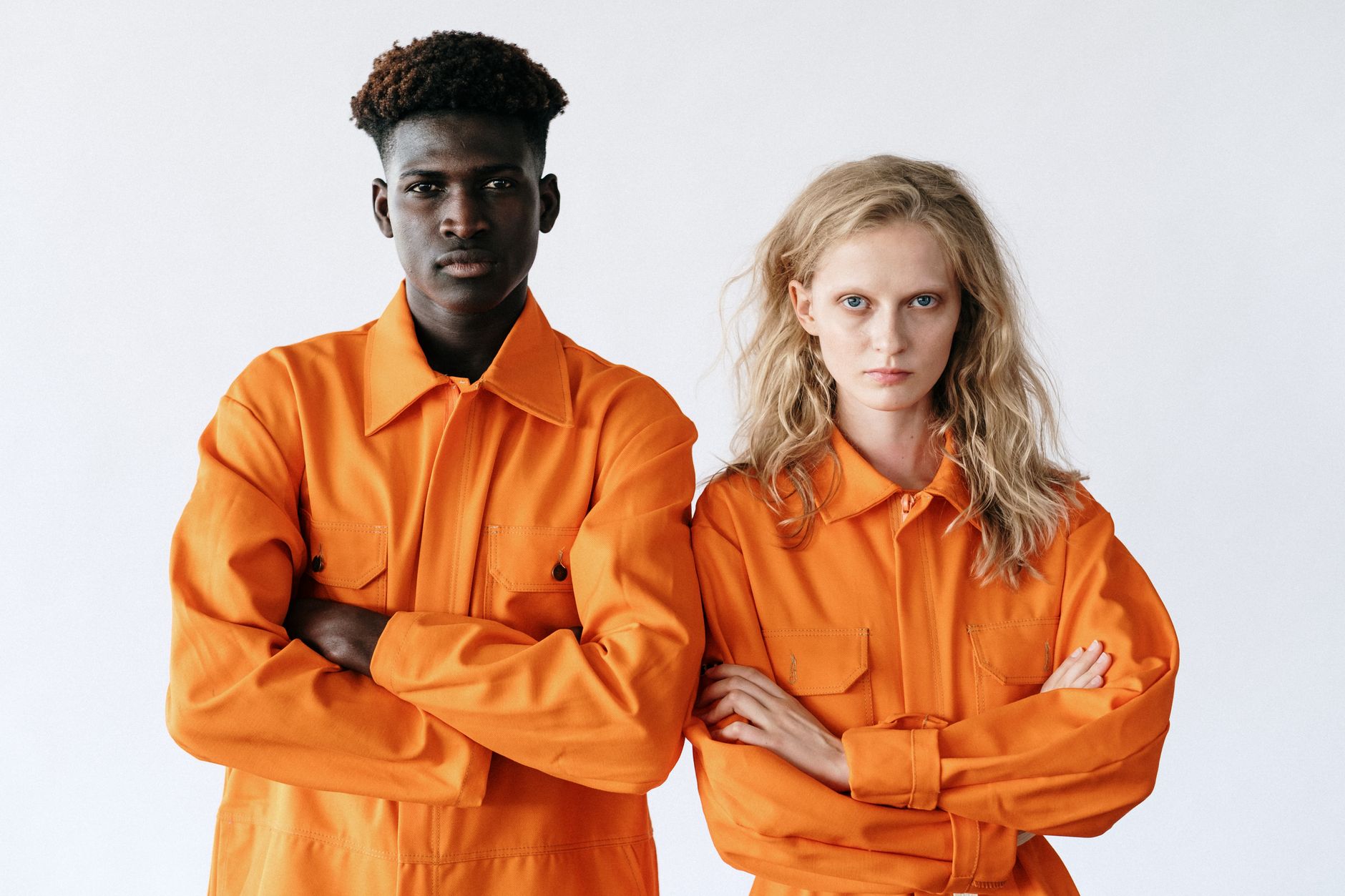
Custom workwear is one of the smartest investments a business can make. Whether you’re outfitting a construction crew in Perth, a hospitality team in Melbourne, or a retail floor staff in Sydney, the right branded workwear communicates professionalism, builds team cohesion, and turns every employee into a walking ambassador for your brand. Yet with so many product types, decoration methods, and suppliers to navigate, many organisations end up overwhelmed before they’ve ordered a single garment. This guide cuts through the noise and gives you everything you need to make confident, cost-effective decisions about custom workwear in 2026.
Why Custom Workwear Matters for Australian Businesses
It’s easy to underestimate what a uniform actually does for a business. Beyond the practical function of identifying your team, custom workwear creates an immediate visual impression on customers and clients. Research consistently shows that uniformed staff are perceived as more trustworthy and competent — and in industries like trades, healthcare, hospitality, and retail, that first impression can be the difference between winning and losing a client.
There’s also the team culture angle. When employees wear the same well-designed workwear, it reinforces a sense of belonging and shared identity. Staff at a Brisbane logistics company wearing matching embroidered polos feel part of something larger. The same goes for a Gold Coast café dressing its front-of-house team in screen-printed aprons and branded t-shirts.
From a branding perspective, custom workwear is essentially mobile advertising. A tradie driving across Adelaide with a logo-embroidered polo shirt and matching cap is putting your brand in front of dozens of people every single day — at no recurring cost.
Choosing the Right Products for Your Custom Workwear Order
Not all workwear is created equal, and selecting the right products for your specific industry and environment is critical. Here’s a breakdown of the most common categories and when to use them.
Polo Shirts
The polo shirt is the workhorse of Australian corporate and trade workwear. It looks professional without being formal, it’s breathable, and it takes both embroidery and screen printing beautifully. If you’re building a custom workwear program from scratch, a quality men’s work polo shirt is almost always the right starting point.
Look for moisture-wicking, cotton-poly blend fabrics if your team works outdoors or in physically demanding roles. Purely cotton polos are more comfortable for office-based staff or those in air-conditioned environments.
Hi-Vis Workwear
For construction, mining, road maintenance, traffic control, and other high-risk industries across Western Australia, Queensland, and the Northern Territory, hi-vis workwear isn’t optional — it’s legally required in many situations. Hi-vis shirts, vests, and jackets must comply with AS/NZS 4602.1:2011 standards, so confirm compliance before ordering.
Custom hi-vis workwear can still carry your branding through heat transfer or sublimation printing, and some suppliers offer embroidery on hi-vis garments where it doesn’t compromise visibility.
T-Shirts
Custom t-shirts are ideal for hospitality, retail, events, and casual work environments. They’re generally more affordable than polos, making them suitable for large teams or seasonal staff. If you’re kitting out a trade show booth or an outdoor event in Hobart or Canberra, branded t-shirts are a cost-effective solution. For more on sourcing quality branded tees, check out our overview of the best tee brands for custom printing.
Caps and Headwear
Caps are often overlooked in a workwear program but they’re highly practical for outdoor teams. Custom caps branded with your logo via embroidery give a polished, premium finish. For outdoor events and active teams, consider bucket hats or custom straw cowboy hats if your brand aesthetic aligns.
Hoodies and Jackets
For team members working in cooler climates — think Canberra, Hobart, or Melbourne in winter — a branded hoodie or fleece jacket rounds out a complete custom workwear kit. A towel hoodie for adults can even work well in specific industries like surf schools or outdoor recreation businesses.
Decoration Methods: Which One Is Right for Your Workwear?
Choosing the right decoration method is just as important as choosing the garment itself. The wrong method can result in logos that fade, crack, or simply don’t look professional.
Embroidery
Embroidery is the gold standard for custom workwear. It looks premium, it’s durable, and it withstands repeated industrial washing without deteriorating. It’s ideal for polo shirts, caps, jackets, and fleeces. The main limitation is detail — highly complex logos with gradients or very fine lines don’t translate well to embroidery. Your artwork may need to be simplified, which a good supplier will guide you through.
Setup fees for embroidery are typically charged per design (often $50–$100 for digitisation), with unit costs decreasing significantly at higher quantities. Expect typical MOQs of around 10–25 garments for embroidery.
Screen Printing
Screen printing is the most cost-effective method for large quantities of custom workwear t-shirts. It produces vibrant, long-lasting colours and works best with simple, bold designs of five colours or fewer. It’s less suited to small runs due to per-colour setup fees (usually $30–$60 per colour), but at 50 units or more, the per-unit cost drops considerably.
Heat Transfer and Sublimation
Heat transfer printing is versatile and works on a wider range of fabrics, including hi-vis materials. It’s suitable for full-colour logos and can be applied to smaller runs than screen printing allows. Sublimation, on the other hand, is best for fully custom-designed garments (like sports jerseys or all-over print items) and requires polyester fabric to work correctly. You can learn more about modern printing technology in our guide to UV printing for custom promotional merchandise.
Pad Printing and Laser Engraving
These methods aren’t typically used on fabric workwear, but they’re relevant if you’re adding branded accessories to your workwear program — such as custom water bottles or personalised travel mugs for your team.
Planning and Budgeting Your Custom Workwear Program
One of the most common mistakes organisations make is underestimating the total cost of a custom workwear program. Here’s how to plan it properly.
Set a Per-Head Budget
Start by calculating a realistic per-head budget. A typical corporate workwear kit — two polos, a cap, and a light jacket — might cost anywhere from $80 to $200 per employee depending on garment quality and decoration complexity. Premium embroidered polos with a chest and sleeve logo will cost more than a basic screen-printed t-shirt, and rightfully so.
Account for Setup Fees
Most decoration methods involve one-off setup fees for digitisation, screens, or tooling. These are charged once per design and are usually not repeated for reorders. Factor setup fees into your first-order budget so they don’t come as a surprise.
Plan for Replacements and New Starters
Smart organisations plan their workwear program beyond the initial order. Build in a budget for replacement garments and new employee kits. Maintaining consistent sizing stock or working with a supplier who can fulfil small reorders is important for long-term program management.
Request Samples Before Committing
For any significant workwear order — say, 50 units or more — always request a sample or pre-production mock-up before approving the full run. This lets you assess fabric quality, print fidelity, and sizing accuracy before thousands of dollars are committed.
Turnaround Times: What to Expect
Turnaround times for custom workwear in Australia typically range from 7 to 21 business days, depending on the decoration method, order quantity, and whether stock garments are available. Embroidery tends to be faster than screen printing for small runs; screen printing for large runs may take longer due to setup complexity.
Always build in a buffer. If you need workwear for a specific date — a new store opening in Brisbane, a trade show in Melbourne, or a new team starting on-site in Darwin — communicate that deadline clearly upfront and confirm it in writing.
Rush orders are possible with many suppliers, often for an additional fee. If your timeline is tight, discuss express production options early in the conversation.
Rounding Out Your Branded Workwear Program
Custom workwear doesn’t have to stop at clothing. Many Australian businesses create a complete branded kit for employees that extends to accessories and merchandise. Consider pairing your custom apparel with:
- Branded drinkware — custom water bottles or wholesale personalised mugs for the office
- Branded bags — a branded tote bag or personalised toiletry bag for staff who travel
- Unique corporate gifts — explore options through our guide to unique corporate gifts for Australian businesses
For teams in regional areas like the Illawarra or South Coast, our guide to branded merchandise for the Wollongong and Illawarra region covers local ordering considerations worth reading.
Organisations focused on sustainability should also consider eco-friendly options for their broader branded merchandise program. Our guide to sustainable branded bags for corporate social responsibility is a great starting point.
Key Takeaways
Investing in a well-planned custom workwear program pays dividends far beyond the initial cost. Before you finalise your next order, keep these essentials in mind:
- Choose the right garment for your environment — hi-vis for compliance, polos for professional settings, t-shirts for casual or event contexts
- Match your decoration method to your design — embroidery for premium durability, screen printing for large runs, heat transfer for versatility
- Budget for the full program — include setup fees, samples, replacements, and new starter kits in your planning
- Request samples and approve proofs before committing — especially for large or high-value orders
- Plan your timeline with buffer — custom workwear typically takes 7–21 business days, so factor in lead times for key dates
Getting custom workwear right the first time saves money, looks better, and reflects more positively on your brand. With the right planning and the right supplier partnership, it’s a straightforward process that delivers lasting value for your team and your business.