
Custom Stuffed Animals as Branded Merchandise: The Complete Australian Guide
Discover how Australian businesses and event organisers can use custom stuffed animals as memorable branded merchandise. Tips, MOQs & ideas inside.

Written by
Dane Santos
Branding & Customisation
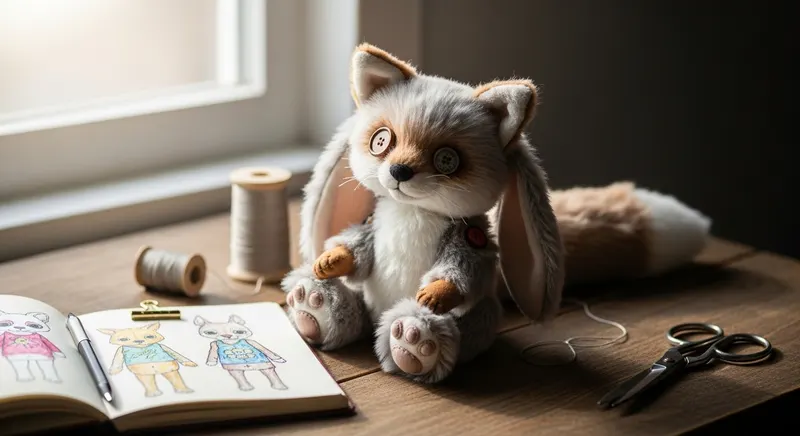
Few branded merchandise items generate the kind of genuine emotional response that a custom stuffed animal can. Whether it’s a plush koala handed out at a Sydney trade show, a branded bear tucked into a welcome kit at a Brisbane conference, or a mascot plush sold in a university campus shop in Melbourne, custom stuffed animals have a remarkable ability to create lasting impressions. In a world where branded pens and USB drives are forgotten within weeks, a well-made plush toy sits on desks, rides in cars, and ends up in the homes of recipients — keeping your brand visible long after the event is over. This guide covers everything Australian businesses and event organisers need to know before ordering custom stuffed animals, from product options and decoration methods to MOQs, budgeting, and practical ordering advice.
What Is a Custom Stuffed Animal and Why Does It Work for Branding?
A custom stuffed animal is a soft, plush toy that has been designed or decorated to represent a brand, mascot, character, or message. These can range from off-the-shelf plush toys with an embroidered logo added, right through to fully bespoke, custom-shaped plush characters made from scratch to represent your brand’s specific mascot or identity.
The reason they work so well as branded merchandise comes down to psychology. Plush toys trigger positive emotional associations — warmth, comfort, nostalgia. When a brand is attached to that feeling, the connection tends to be more meaningful than what you’d get from a flat piece of stationery or a standard drinkware item. This makes custom stuffed animals particularly powerful in sectors where relationship-building matters: corporate gifting, events, healthcare, hospitality, retail, and consumer marketing.
For event organisers specifically, a branded plush toy creates a tangible keepsake that attendees are unlikely to throw away. Unlike a flyer or even a branded tote bag, a plush toy has enough perceived value that most people will hold onto it — which means ongoing brand exposure well beyond the event itself.
Types of Custom Stuffed Animals Available in Australia
Understanding the different product options available helps you match the right type of plush to your budget, audience, and branding goals.
Off-the-Shelf Plush with Logo Decoration
The most cost-effective option is choosing from a range of standard plush animals — bears, dogs, koalas, kangaroos, elephants — and adding your logo or messaging via embroidery or a printed label. These are typically available at lower MOQs (often from 50–100 units) and have faster turnaround times, since the product itself already exists. This is a solid choice for corporate gifting campaigns, welcome packs, or event giveaways on a tighter timeline.
Custom-Designed Mascot Plush
This is where branding potential really opens up. A fully custom stuffed animal is manufactured specifically to represent your brand’s mascot, character, or design. Think of a financial services company in Perth whose mascot is a cartoon wombat, or a Canberra-based tech firm with a quirky robot character — a bespoke plush version of that mascot becomes a one-of-a-kind branded asset. Custom-designed plush toys typically require higher MOQs (often 300–500+ units minimum) and longer lead times (12–20 weeks for production, including sampling), and they come at a higher per-unit cost. But for organisations with an established brand identity, the investment can be exceptional.
Branded Plush Keyrings and Clip-Ons
For a more compact and affordable version of the concept, mini plush keyrings and clip-on characters offer most of the emotional benefits at a fraction of the cost and size. These work well as event giveaways, product launch gifts, or additions to unique corporate gifts in Australia that include multiple items in a branded kit.
Decoration Methods for Custom Stuffed Animals
The way your branding is applied to a plush toy significantly affects both the look and the cost. Here’s a breakdown of the most common methods used in Australia.
Embroidery
Embroidery is the gold standard for adding logos or text to plush toys. It produces a clean, professional finish that holds up extremely well over time and regular handling. Embroidery works best for logos with clear lines, limited colours, and minimal fine detail — highly intricate artwork can lose definition when stitched. This is the preferred method for off-the-shelf plush toys with a corporate logo, and it aligns well with the same approach used on branded polo shirts for workwear.
Printed Labels and Hang Tags
Custom woven labels, printed hang tags, and care labels are another effective branding touchpoint. These are typically sewn into seams or attached with a tag, and they carry your logo, brand name, website, and any relevant safety or compliance information. Labels are often used in conjunction with embroidery or other decoration methods.
Sublimation Printing on Bandanas and Accessories
For plush toys that come with accessories — a small scarf, a t-shirt, or a bandana — sublimation printing allows for vibrant, full-colour decoration. Our guide to UV printing technology for custom promotional merchandise covers how advanced print methods can deliver photographic-quality detail on a wide range of surfaces, and some of those principles apply to plush accessories as well.
Fully Custom Construction
For bespoke mascot plush, the “decoration” is baked into the design itself. Custom fabric colours, embroidered features, sewn-in logos, and shaped forms all combine to create a product where the branding is intrinsic rather than applied. This requires detailed artwork files, multiple rounds of sampling, and a longer development timeline.
Budgeting for Custom Stuffed Animals
Budget is often the first question organisations ask, and the honest answer is that custom stuffed animals span a wide price range depending on complexity.
- Standard plush with embroidered logo (50–200 units): Roughly $12–$25 per unit, depending on size and decoration
- Mid-range branded plush with accessories and custom labels (200–500 units): $18–$40 per unit
- Fully custom mascot plush (500+ units): $25–$60+ per unit, plus significant design, sampling, and tooling costs
It’s worth noting that per-unit costs drop substantially at higher quantities. If your organisation is considering a large-scale campaign — say, a national consumer promotion across multiple states — the economics of custom plush improve considerably with volume.
Setup fees apply to most decoration methods, particularly for embroidery digitising (converting artwork into stitch files) and custom mould creation for bespoke designs. Factor these into your total budget rather than treating them as a surprise line item.
For budget-conscious campaigns that still want a premium feel, consider pairing a simpler plush option with other well-designed items in a gift kit — for example, a personalised travel mug or a custom water bottle alongside a branded plush keyring makes for a cohesive, high-perceived-value set without blowing the budget on a single item.
Practical Ordering Tips for Australian Organisations
Plan for Lead Times Early
Custom stuffed animals — especially fully bespoke mascot plush — have some of the longest lead times in the branded merchandise industry. Production typically takes place overseas, most commonly in China and Southeast Asia, and samples need to be reviewed and approved before the full production run begins. Build in a minimum of 14–20 weeks for custom designs, and at least 6–8 weeks for decorated off-the-shelf plush. If you’re ordering for a specific event, work backwards from your event date and add a buffer.
Artwork Preparation Matters
Supply your logo and any relevant design files in vector format (AI, EPS, or high-resolution PDF). For fully custom plush, detailed character sheets — showing front, back, side, and any colour callouts — will be required by the manufacturer. Poorly prepared artwork leads to delays and unexpected redesign costs.
Request Samples Before Full Production
Always request a pre-production sample (often called a “prototype” or “salesman sample”) before approving the full run. This is standard practice and essential for custom plush, where small differences in fabric colour, stitching quality, or overall proportions can significantly affect the final result. Some suppliers charge for samples; this is normal and worthwhile.
Check Safety Compliance
Plush toys distributed to children in Australia must comply with Australian toy safety standards (AS/NZS 8124). Even if your primary audience is adults, it’s worth confirming compliance requirements with your supplier — particularly for custom items that include small parts, buttons, or accessories. This is non-negotiable for any healthcare, education, or family-facing campaign.
Who Orders Custom Stuffed Animals in Australia?
The range of organisations that benefit from custom plush is broader than many people expect:
- Corporate teams use branded plush as desk companions, onboarding gifts, or mascot merchandise for internal culture campaigns
- Event organisers in cities like Melbourne, Brisbane, and Adelaide use them as premium giveaways that generate social media content naturally
- Retail and hospitality brands create character plush as collectible merchandise tied to brand mascots
- Healthcare organisations use soft, unbranded-looking plush to create comfort in clinical settings while maintaining subtle brand presence
- Universities and TAFEs produce branded plush as orientation merchandise or alumni gifts
If your team is already thinking about other items for event merchandise — like wristbands for your next event or branded umbrellas in wholesale quantities — a custom stuffed animal can be an excellent centrepiece item around which other branded pieces are built.
How Custom Stuffed Animals Fit into a Broader Branded Merchandise Strategy
The most effective merchandise campaigns don’t rely on a single product — they create a cohesive brand experience across multiple touchpoints. A custom stuffed animal works brilliantly as a hero item, but it becomes even more impactful when paired thoughtfully with complementary products.
Consider what else your audience will receive alongside the plush. A branded personalised toiletry bag or a custom gym towel might sit alongside a plush in a corporate wellness pack. A wholesale personalised mug or a vinyl sticker can add colour and personality to a desk setup. Even something as simple as a branded wine bag cooler in a premium client gift box can complement a plush mascot when the brand identity calls for it.
The point is that custom stuffed animals don’t need to exist in isolation — they thrive as part of a broader, well-considered merchandise strategy.
Conclusion: Key Takeaways
Custom stuffed animals represent a genuinely differentiated option in the Australian branded merchandise market. When ordered thoughtfully, they deliver brand exposure that outlasts most other promotional products. Here’s what to remember:
- Plan your lead times carefully — especially for fully custom mascot plush, which can require 14–20 weeks from brief to delivery
- Match product complexity to your budget — decorated off-the-shelf plush offers excellent value; fully bespoke plush requires a larger investment but delivers unmatched brand differentiation
- Don’t skip the sample stage — always review a prototype before approving full production, particularly for custom designs
- Check Australian safety compliance requirements if the product may reach children or vulnerable audiences
- Integrate your custom stuffed animal into a broader merchandise strategy to maximise brand impact and perceived value across your campaign or event